Electric Plate Hobs: Solid Plates and Steady Heat
Electric Plate Hobs: Solid Plates and Steady Heat
By TopFix Appliances
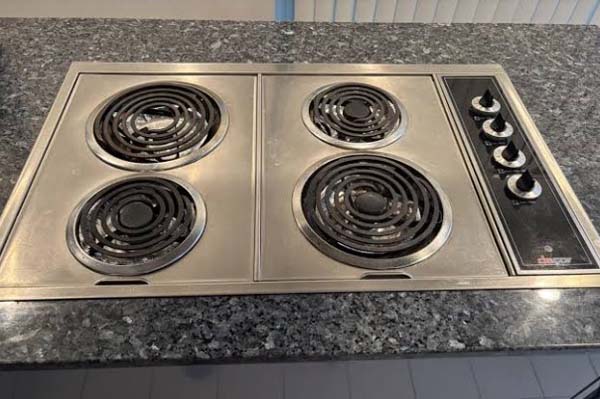
Electric plate hobs are among the toughest cooking appliances in a home. Instead of exposed wires, each cooking zone is a solid cast iron disc with a heating element sealed inside. They’ve been popular for decades because they’re sturdy, forgiving and straightforward to run. If you’ve ever seen a hob with round, dark plates, sometimes with a red dot in the middle, you’ve seen a plate hob.
How a Solid Plate Works
Inside each plate, a resistance element is embedded in an insulating material and sealed within the iron casing. When power flows through the element, it heats up and transfers warmth into the cast iron. The plate then passes that heat to the base of your pan. Because iron holds heat well, the plate keeps radiating warmth for a while even after you switch it off.
Parts and Functions
Cast iron plate. The cooking surface. It absorbs and spreads heat across the pan base. Many have a rim around the edge to stop spills running into the hob.
Sealed heating element. Hidden inside the plate, protected from moisture and food spills.
Red dot or coloured centre. On many models it marks a fast-heating plate, or simply identifies the zone’s output.
Energy regulator switch. The dial that controls the heat. It cycles power on and off to maintain the setting you choose.
Mounting ring or trim. Holds each plate in place within the hob body.
Thermal cutout. A safety device that cuts power if the plate overheats.
Terminal connections. Where the plate’s wiring joins the main supply.
Strengths of Plate Hobs
| Strength | Benefit |
|---|---|
| Durability | Cast iron plates handle heavy pots and daily use |
| Sealed construction | Spills don’t reach the element |
| Low cost | Often cheaper than ceramic or induction |
| Even heat | Good for slow cooking and simmering |
| Simple parts | Easier and cheaper to repair |
Plate hobs are well suited to heavy cooking, including large pots, pressure cookers and big batches. They also handle rougher use better than glass surfaces.
Weaknesses
Plates are slow to heat and slow to cool. If a pot starts boiling over, lowering the setting doesn’t reduce heat immediately, so you must lift the pot. They can also rust if left wet, and their surfaces need occasional care to look presentable. Energy efficiency is modest compared with induction, as plenty of heat is lost to the air around the plate.
Cooking Tips
- Use pans with flat, thick bases for the best contact.
- Match the pan size to the plate to avoid wasted heat.
- Switch the plate off a few minutes before food is done and let the residual heat finish the job.
- Avoid dragging heavy pans across the surface, which can damage the plate edges.
- Lift pots off the plate when you need heat to stop quickly.
Care and Cleaning
Wipe spills once the plate is cool, then clean with a damp cloth. For stubborn marks, use a gentle scourer. Some owners apply a thin coat of cooking oil or a plate-care product to prevent rust and keep the surface dark. Never pour water onto a hot plate, and avoid leaving damp cloths on it. Moisture is the main enemy, so keep the hob dry between uses.
Typical Problems
- Plate not heating. A burnt element, faulty switch or loose terminal.
- Plate stays hot even when switched off. A stuck regulator switch.
- Cracked or corroded plate. Needs replacement.
- Smell of burning. May be spilt food, but persistent odours suggest an electrical problem.
- Tripping the breaker. A short caused by moisture or damaged insulation.
Who It Suits
Plate hobs are ideal for homes that prefer simple, rugged appliances. They’re common in rental units, student housing and busy kitchens where durability matters more than looks.